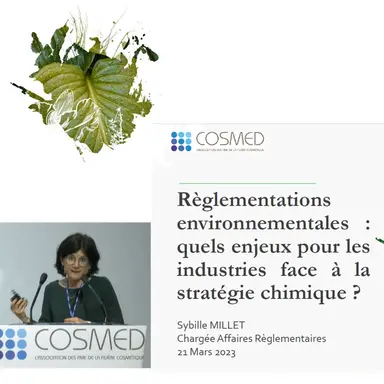
Like so many other European regulations with an environmental focus, it is one of the consequences of the Green Pact that the European Commission presented at the end of 2019. This aims to combat deforestation, particularly “imported” deforestation. Sybille Millet, from Cosmed, presented it at the Regulatory Meetings on 21 March 2023. The draft text and the tree that hides the forest: the important impact that this Regulation will have on cosmetics, and in particular on some of its raw materials.
This draft European Regulation aims to combat the destruction or degradation of forests in Europe and around the world (“imported” deforestation), by supporting products that do not harm them, that comply with local legislation and that come from “deforestation-free” channels.
The resources concerned
The text targets seven basic products, such as coffee, wood or rubber, but also, for what concerns more directly the cosmetic sector, palm oil, cocoa and soya.
This includes their by-products:
• For palm oil: palm and palm kernel oil, whether or not refined, but not chemically modified, oil cake, nuts, fatty acids and alcohols, stearic acid, palmitic acid, oleic acid, glycerol
• For cocoa: butter, cocoa fat, beans, shells, skins, other cocoa waste
• For soya: bean, oil even if refined but not chemically modified, cake and other solid residues resulting from the extraction of the oil
The biggest impact of this draft regulation on the cosmetics industry is of course the targeting of palm oil. And it is important to know that if the RSPO palm oil is widely favoured by the industry, there are several grades, and that the “mass balance”, the most used, does not currently meet the requirements set …